Why Repair Matters
A smartphone takes about 70 kg of CO₂ and 12,000 litres of water to manufacture. The average one gets used for about 2.5 years.
Where every device begins

Before a phone reaches your hand, raw materials have been mined on three continents: cobalt from the DRC for the battery, copper from Chile for the circuits, rare earth elements from Inner Mongolia for the speaker magnets. The finished device contains only 5g of rare earths, but getting them out of the ground means processing hundreds of kilograms of rock per gram.
Making one smartphone
70 kg CO₂
12,000 litres of water
Making one laptop
350 kg CO₂
50,000 litres of water
From a factory in Shenzhen or Zhengzhou, China, the device ships roughly 12,000 km by sea to reach you. The shipping footprint is small. Almost all of the carbon is in the making.
Then the average smartphone gets used for about 2.5 years before it's replaced. Usually not because it stopped working. Because the battery degraded, the screen cracked, or a newer model came out.
What's inside
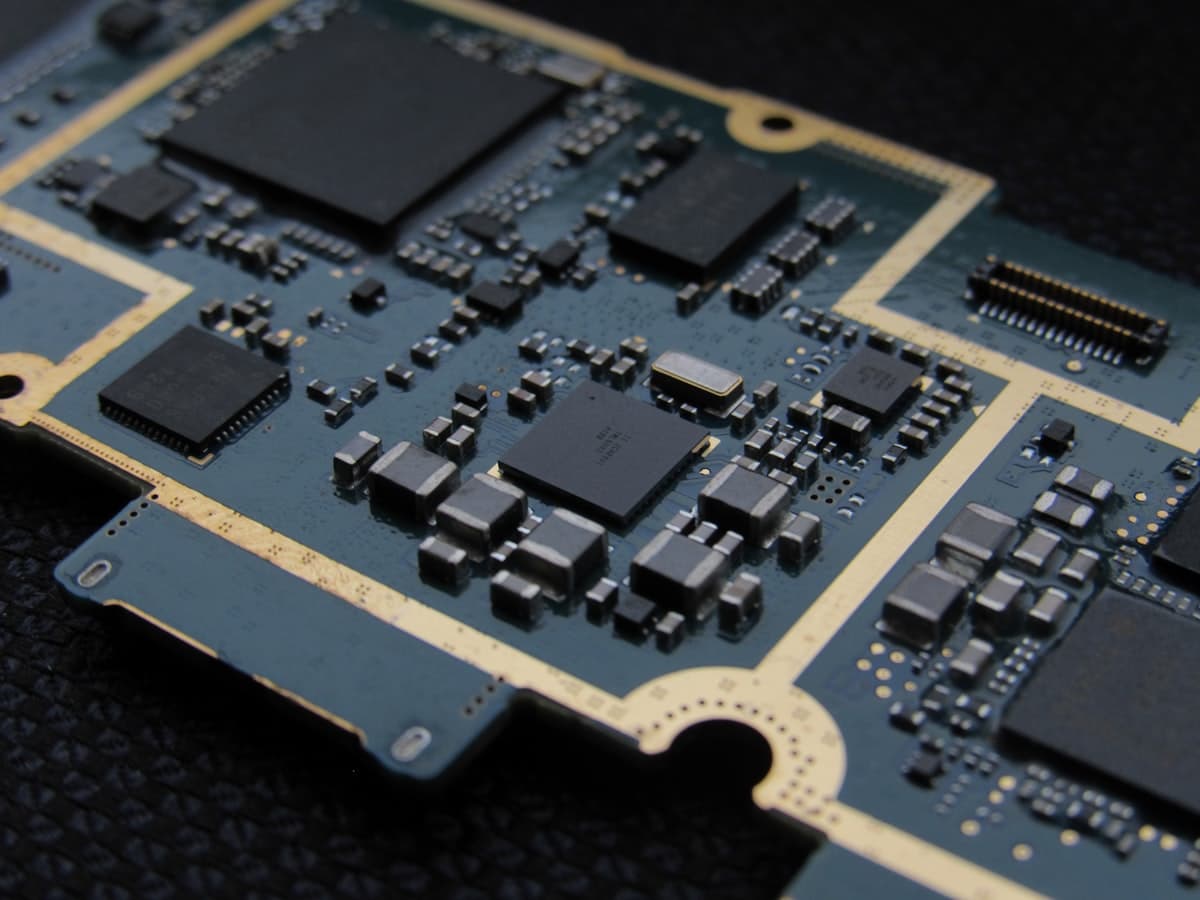
The materials that make modern electronics work are also among the most complicated to handle at end of life.
Your smartphone contains lithium battery, lead solder, and brominated flame retardants. A laptop adds mercury (older LCDs).
A refrigerator circulates refrigerant gases (HFCs) and polyurethane foam (blowing agents). HFC refrigerants are between 1,000 and 3,800 times more potent as a greenhouse gas than CO₂, depending on the compound. A single poorly-handled refrigerant release during disposal can erase years of careful household emissions reduction.
These aren't decisions made carelessly. They're engineering choices, materials that work well, selected before the end-of-life problem was anyone's priority. The issue isn't that they're in your devices. The issue is what happens when those devices become waste.
Where it goes
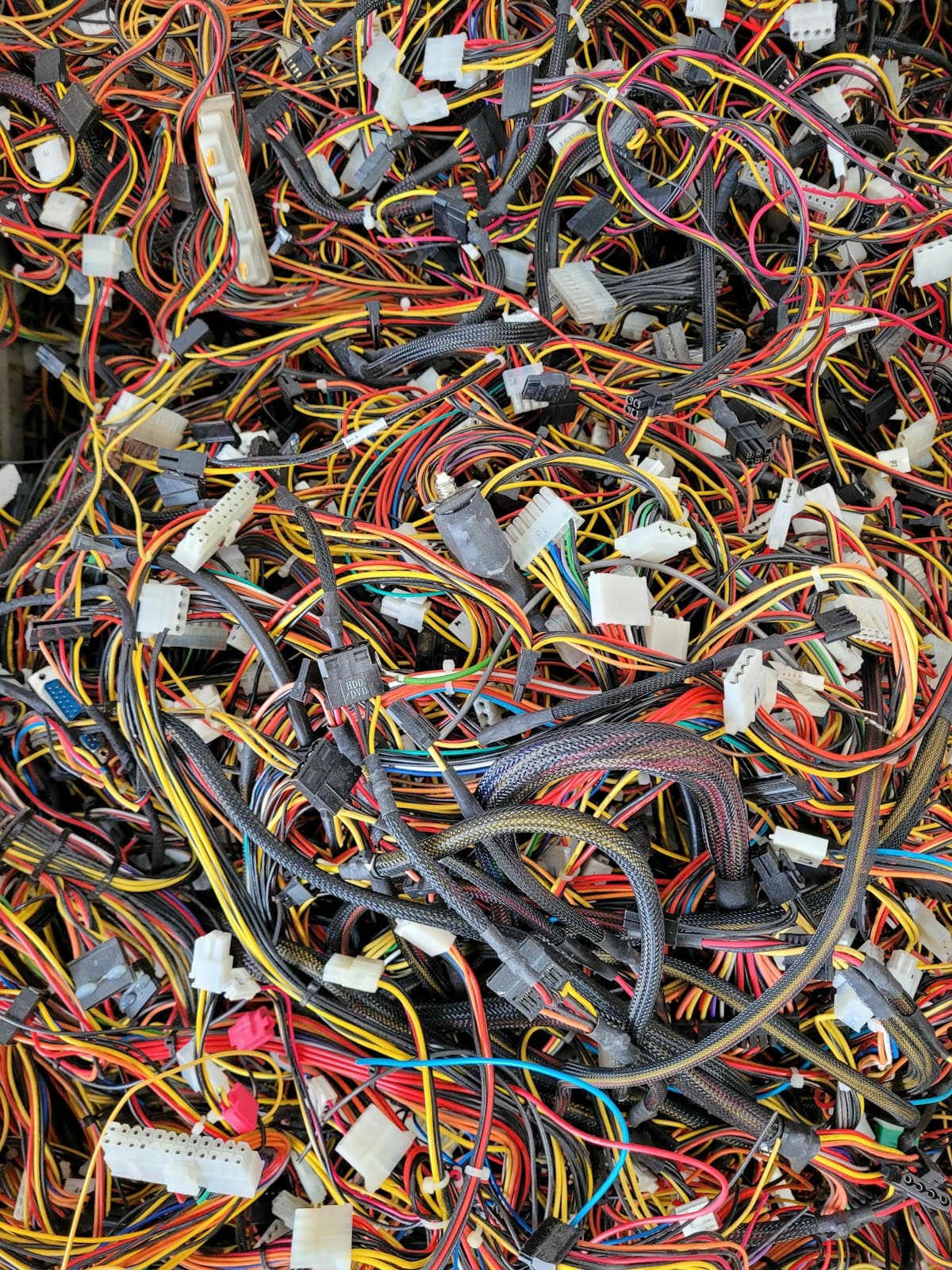
The world generated 62 million tonnes of electronic waste in 2022. That number is on track to reach 82 million tonnes by 2030. Of all of it, only 22.3% was properly processed and recycled. The rest, roughly 78%, goes somewhere else.
In Canada, Statistics Canada's Households and the Environment Survey (2023) found that only 33% of discarded smartphones reached a certified depot or drop-off facility. Another 14% were donated and 16% returned to retailers, so roughly 37% of discarded phones don't go through any tracked channel. Some are sitting in kitchen drawers. Some are not.
The informal recycling economy is real and global. In parts of West Africa and South Asia, waste electronics are burned in open pits to recover copper and other metals. The lead, brominated compounds, and heavy metals released in the process are the same ones listed in your device's materials specification. They don't disappear when the device changes hands across an ocean. They end up in soil and water near communities that had no role in manufacturing or consuming those devices.
“Recycled” is also doing a lot of work in these statistics. Proper certified recycling, the kind that safely recovers materials and handles hazardous components, is expensive and requires infrastructure. The 22.3% global recycling rate represents only that fraction. The raw material value locked in annual e-waste is estimated at $62 billion USD: gold, copper, lithium, and rare earths that won't be mined again because they were discarded instead of recovered.
What repair actually changes
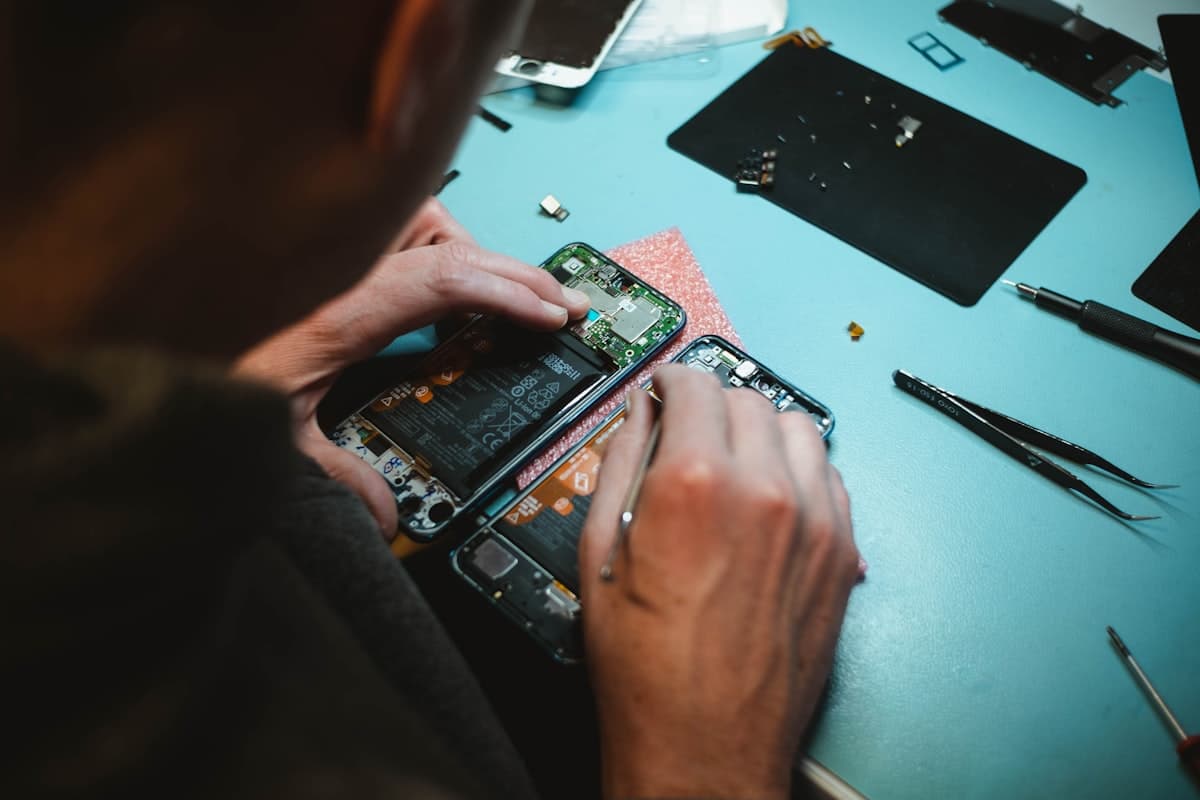
Repairing a smartphone (replacing a cracked screen, a dead battery, a charging port) generates roughly 5 kg of CO₂. Parts have to be made and shipped; the technician's shop uses electricity. But the manufacturing debt of 70 kg is not re-incurred.
The math is compelling enough that governments have started paying for it. France knocks €15-€60 off out-of-warranty repairs at certified shops, automatically, funded by the manufacturers themselves.
Repairing a smartphone saves
65 kg CO₂
≈ 163 miles of driving · 152 showers worth of water
Repairing a laptop saves
340 kg CO₂
≈ 850 miles of driving · 633 showers worth of water
A repair uses perhaps 5% of the water and materials that manufacturing requires. The resources were already spent when the device was made. Repair doesn't undo that. But it means you don't spend them again.
A repaired device isn't just cheaper than a new one. It carries no new manufacturing debt. The 70 kg of CO₂ already embedded in your phone doesn't need to be re-emitted to give you a working device. That's not a rounding error in a personal carbon calculation. It's the whole calculation.
The counterargument, “but what about the energy efficiency gains from a new device?”, is a real one for large appliances. For electronics, it's not. A phone draws 5--20W during use. The manufacturing footprint dwarfs any efficiency gain a newer chip could plausibly offer. The best thing you can do for the carbon ledger of your phone is keep using the one you have.
When replacement is the right call
None of this means repair is always correct. There are genuine cases where it isn't.
A refrigerator that has run for 14+ years and needs a new compressor is a real decision point. Modern refrigerators are 30--40% more energy-efficient than units from the mid-2000s. If the repair costs $600 and you'd be extending the life of a genuinely inefficient appliance, the energy savings from a new unit can justify the manufacturing cost over a decade. The HFC refrigerant argument cuts both ways. Proper disposal of the old unit matters just as much as the new one's efficiency.
A laptop that's 4.5+ years old, no longer receiving security updates, and needing a $400 repair is another case. If continued use means operating a machine that can't be safely connected to the internet, repair doesn't restore its usefulness. It prolongs a security liability.
The threshold varies by device. For most consumer electronics (phones, tablets, small appliances) the repair vs replace calculation almost always favours repair until the cost reaches 70--80% of replacement. The manufacturing footprint is simply too large to justify throwing away a repairable device.
For large, energy-intensive appliances (refrigerators, washing machines, HVAC systems) the calculation is more nuanced. Age, efficiency rating, and the cost of the specific repair all matter. There are cases where replacement is genuinely the better outcome, environmentally and financially.
This is what Sundr is actually for. Not to tell you repair is always right. It isn't. But to run the actual numbers for your specific device, your specific fault, and give you a straight answer.
Wondering about your specific device?
The question isn't really “is repair always right?” It's whether repair is right for this device, this fault, at this cost. Sundr runs those numbers using real repair data, parts costs, and your device's remaining lifespan, and it's free.
Get a free repair recommendationCommon Questions
- What is e-waste?
- E-waste (electronic waste) is discarded electronics: phones, laptops, appliances, and any device with a circuit board or battery. It often contains hazardous materials including lithium batteries, lead solder, and brominated flame retardants.
- How much e-waste is produced each year?
- The world generated 62 million tonnes of electronic waste in 2022. That figure is projected to reach 82 million tonnes by 2030. Only 22.3% was properly recycled.
- How much CO2 does repairing a smartphone save?
- Manufacturing a new smartphone generates approximately 70 kg of CO₂. A typical repair generates around 5 kg. Repairing instead of replacing saves roughly 65 kg of CO₂, the equivalent of driving 163 miles.
- When should you replace instead of repair?
- When a device is past its expected lifespan, the repair cost approaches replacement cost, or when continued use carries safety or security risks. A refrigerator older than 14 years with a failed compressor is often better replaced, as modern units are significantly more energy-efficient. The right answer depends on the specific device, fault, and cost.